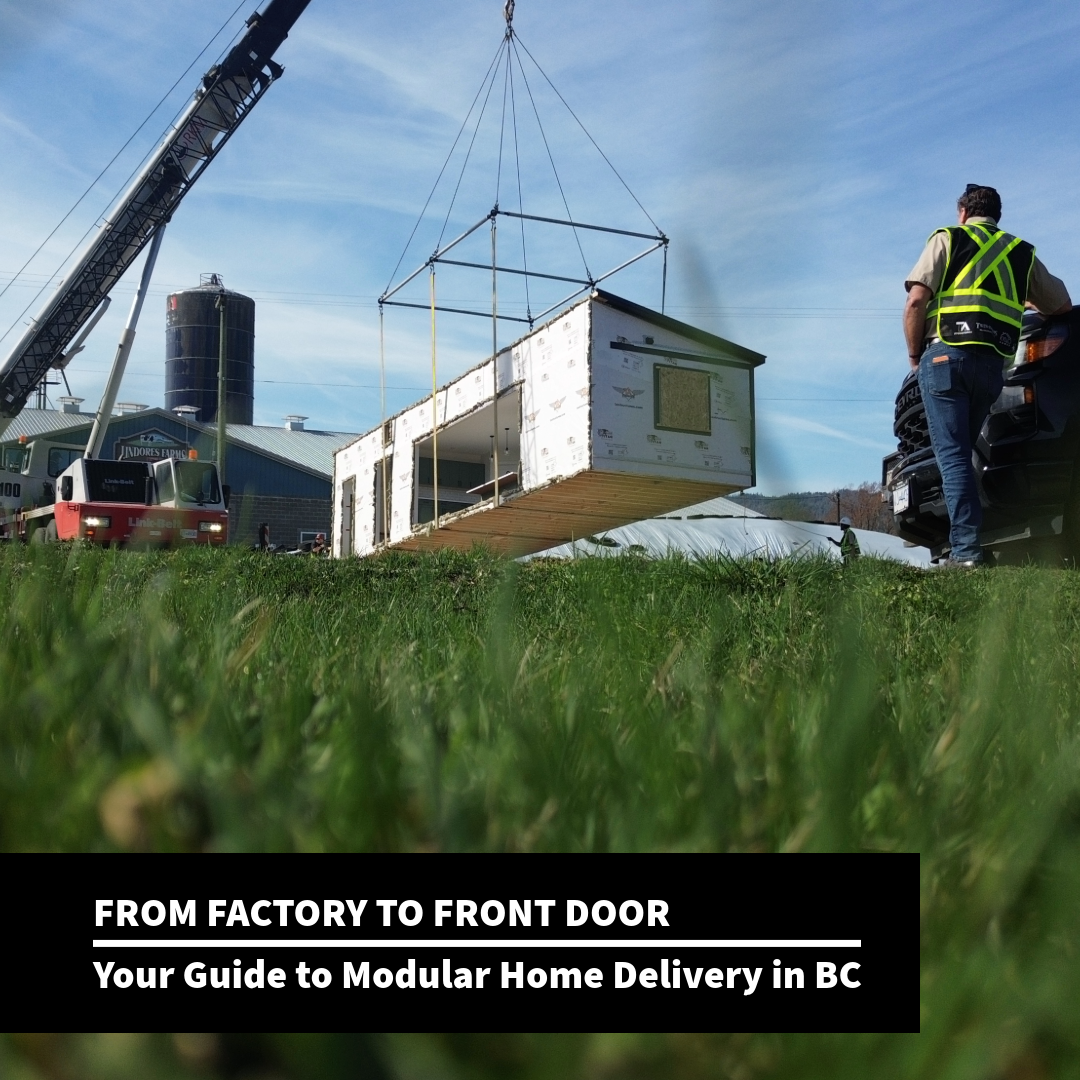
One of the most exciting moments in building a new home is watching it arrive at your property. After months of planning, designing, and selecting finishes, your new modular or park model home is finally ready to make the journey from the manufacturing facility to its destination.
But what exactly happens during modular home delivery in British Columbia?
Unlike traditional site-built construction, modular homes are manufactured in a controlled factory environment before being transported to their final location. This process allows much of the construction to be completed before the home arrives, reducing the amount of work required on-site.
At Kyllo Homes, we manufacture custom modular and park model homes in Sicamous, BC. Whether your home is destined for a recreational property in the Shuswap, a rural residential lot, or a development elsewhere in British Columbia, successful delivery begins long before the transport truck arrives.
Understanding the process can help homeowners prepare for this important milestone.
1. Preparing Your Property for Modular Home Delivery
Before your new home can be delivered, your property must be properly prepared.
Site preparation is one of the most important aspects of modular home installation in BC. Requirements vary depending on the home’s dimensions, location, foundation type, and intended use.
Some important considerations include:
-
Site access: Roads, driveways, and entrances must accommodate the transportation equipment and dimensions of the home.
-
Foundation preparation: The appropriate foundation, blocking, or engineered support system must be ready before installation.
-
Utility services: Electrical, water, sewer, or septic services should be planned and coordinated in advance.
-
Site grading and drainage: The property should be prepared to support the installation and manage drainage appropriately.
-
Permits and approvals: Applicable building permits, development approvals, and local requirements should be confirmed before delivery.
For rural properties, additional considerations may include steep driveways, narrow roads, overhead power lines, trees, and limited space for transportation equipment.
Addressing these details during the planning stage can help prevent unexpected delays.
2. How Are Modular Homes Transported in British Columbia?
Transporting a completed modular or park model home requires specialized equipment and careful logistical planning.
Unlike conventional building materials, modular homes are transported as substantially completed structures or individual building sections.
Depending on the dimensions and transportation route, delivery planning may involve:
-
Reviewing road conditions and access restrictions
-
Confirming bridge and highway limitations
-
Obtaining oversize-load transportation permits
-
Coordinating pilot vehicles when required
-
Evaluating overhead clearances
-
Planning around seasonal weather and road conditions
British Columbia’s mountainous terrain, winding highways, and rural communities can present unique transportation challenges.
This is particularly important for properties located around Shuswap Lake, where access roads, grades, and lot configurations may require additional consideration.
At Kyllo Homes, transportation requirements are considered throughout project planning to help ensure the home can reach its intended destination.
3. What Happens on Modular Home Delivery Day?
Delivery day is an exciting milestone, but it also requires coordination between transportation professionals, installation crews, and other contractors involved in the project.
Once your home reaches the property, the next step is positioning it on the prepared foundation or support system.
The installation method depends on the type of home and site conditions.
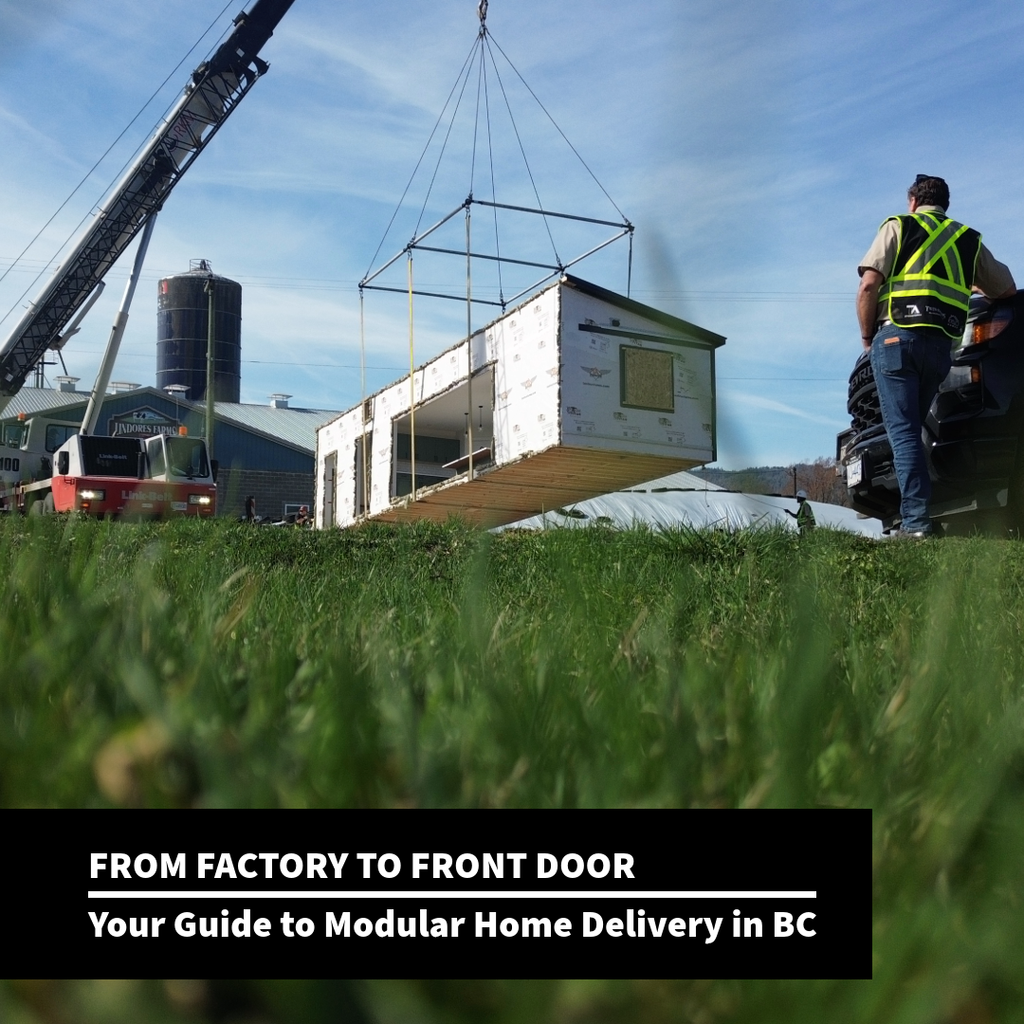
Some modular homes require cranes to lift and position individual sections, while others can be placed using specialized transportation and installation equipment.
For multi-section modular homes, each section must be carefully aligned and connected according to the approved building design.
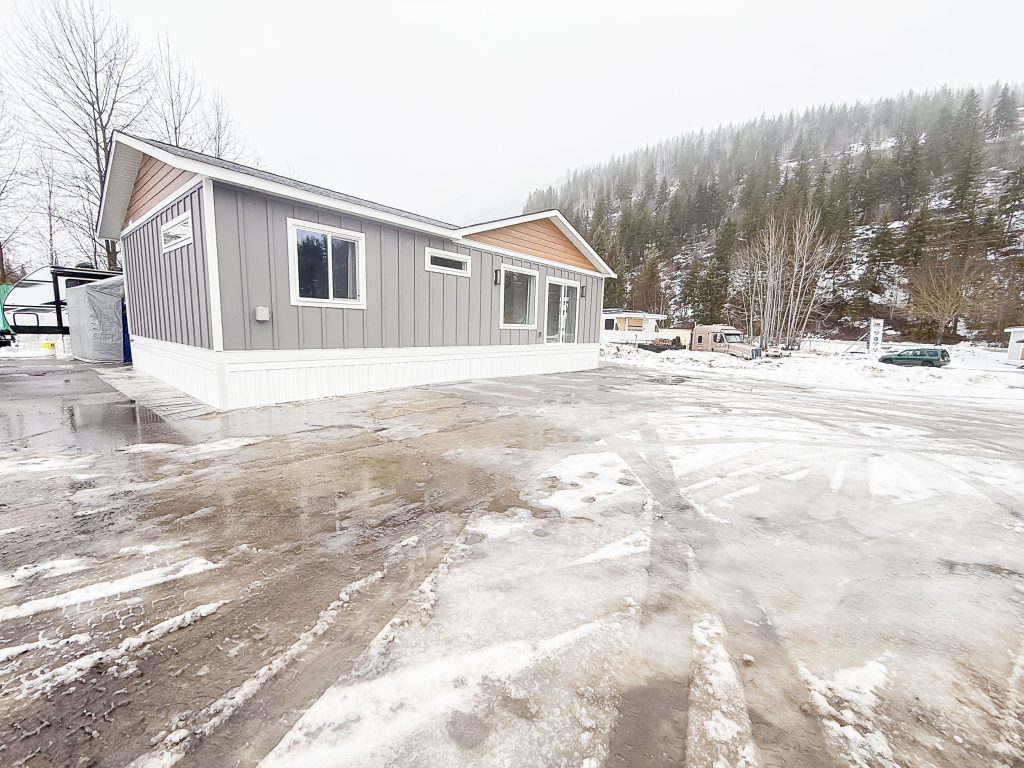
Park model homes, which are commonly constructed on a steel chassis, may have different installation requirements than modular homes designed for permanent foundations.
Because every home and property is unique, the installation process is determined by the specific project requirements.
4. Modular Home Installation and Setup
Once your new home has been positioned, the next stage involves completing the necessary installation and finishing work.
Depending on the project, this may include:
-
Levelling and securing the home
-
Completing foundation or anchoring connections
-
Connecting multiple modular sections
-
Completing exterior finishing details
-
Coordinating electrical and plumbing connections
-
Installing stairs, decks, or skirting
-
Completing required inspections
It’s important to understand that not every modular or park model home requires the same installation work.
For example, a park model being delivered to an established recreational resort may have different requirements than a modular home being installed on private residential property.
Homeowners should also confirm which services are included in their purchase agreement and which site-related responsibilities must be coordinated separately.
5. Connecting Utilities and Completing Final Inspections
Although much of the construction is completed in the manufacturing facility, certain work must take place after delivery.
Electrical, plumbing, heating, and other mechanical systems may require final connections to the property’s services.
Depending on the project, qualified tradespeople and local authorities may need to complete or inspect portions of this work.
Additional site improvements, including landscaping, decks, walkways, driveways, or exterior skirting, may also be completed after installation.
A home should not be occupied until all applicable installation, inspection, and occupancy requirements have been satisfied.
Coordinating these activities in advance helps create a smoother transition from delivery to move-in day.
6. Why Factory-Built Modular Homes Offer Advantages
One of the greatest advantages of modular construction is the amount of work completed before the home arrives on-site.
Rather than beginning construction with an empty foundation, homeowners receive a structure that has already progressed through much of the building process.
Factory-built construction offers several benefits.
Controlled Manufacturing Environment
Construction takes place indoors, helping reduce exposure to weather during the manufacturing process.
Consistent Quality Control
Materials, workmanship, and construction processes can be monitored throughout production.
Reduced On-Site Construction
Because much of the home is completed before delivery, the amount of construction required at the property may be reduced compared with traditional site-built methods.
Coordinated Project Planning
Depending on the project, site preparation and factory manufacturing can progress simultaneously, helping streamline the overall construction process.
However, it’s important to remember that delivery does not necessarily mean a home is immediately ready for occupancy. Final installation, utility connections, and inspections must still be completed where applicable.
7. What Should Homeowners Confirm Before Delivery?
Whether you’re purchasing a custom modular home for private property or a park model for a recreational resort, preparation is essential.
Before delivery, homeowners should confirm several important details:
-
Is the property accessible for transportation and installation equipment?
-
Has the required foundation or support system been completed?
-
Are electrical, water, and wastewater services available?
-
Have applicable permits and approvals been obtained?
-
Are there development or resort-specific building requirements?
-
Who is responsible for installation, utility connections, and final site work?
-
Have any necessary inspections been scheduled?
For recreational properties, it’s particularly important to confirm requirements with the resort, development, or local authority before finalizing your home design.
Some communities have specific guidelines relating to building dimensions, exterior materials, foundations, skirting, and site access.
Understanding these requirements early helps ensure your home is designed appropriately for its intended location.
8. From Our Manufacturing Facility to Your Property
At Kyllo Homes, we understand that building a home is about more than selecting a floor plan and choosing finishes. It’s about bringing your vision to life, from the first design conversation to the moment your home arrives.
As a factory-direct modular and park model home manufacturer in Sicamous, British Columbia, we take pride in creating homes that reflect our clients’ individual lifestyles, preferences, and priorities.
Our team works directly with clients throughout the design and manufacturing process, helping identify important project considerations before their home is ready for delivery.
Every property is different, and thoughtful planning plays an important role in ensuring a successful outcome.
Planning a Modular or Park Model Home in BC?
Whether you’re considering a recreational park model in the Shuswap or a custom modular home elsewhere in British Columbia, understanding the delivery and installation process is an important part of planning your project.
At Kyllo Homes, we’re proud to manufacture custom homes designed around the people who live in them.
Ready to start planning your new home?
Explore our custom modular and park model homes or contact our team to discuss your project.
Visit www.kyllohomes.com to get started.
Disclaimer: This article is provided for general informational purposes. Transportation, installation, foundation, utility servicing, permitting, and inspection requirements vary depending on the building classification, property location, and applicable regulations. Homeowners should confirm requirements with their local authority, qualified professionals, and relevant service providers. Delivery and installation responsibilities are determined by individual purchase agreements.