CMHC’s New Financing Changes: Why More Canadians Are Choosing to Build a New Kyllo Home Instead of Buying an Older Modular Home
For many Canadians, the dream of owning a home has started to feel increasingly difficult.
Between rising housing costs, limited inventory, aging resale properties, and unpredictable renovation expenses, more families are looking for housing solutions that provide long-term value, predictable costs, and stronger equity growth over time.
That is one of the reasons modular construction continues to gain momentum across Canada.
And now, recent financing changes connected to Canada Mortgage and Housing Corporation (CMHC) are opening new conversations around how Canadians may be able to finance land purchases and new modular home construction with greater flexibility.
At Kyllo Homes, we work with families across British Columbia and Western Canada who are increasingly comparing two options:
- Purchasing an older modular or manufactured home already on property
or - Purchasing land and building a brand-new custom modular home
For many buyers, the long-term financial value of building new is becoming more apparent.
Why Canadians Are Looking at Modular Homes Differently
Historically, modular homes and manufactured homes were often grouped together with older mobile homes built decades ago.
But modern modular construction has evolved significantly.
Today’s modular homes built to CSA A277 standards offer:
- residential construction standards,
- permanent foundations,
- energy-efficient building systems,
- customizable layouts,
- premium finish selections,
- and long-term durability comparable to many site-built homes.
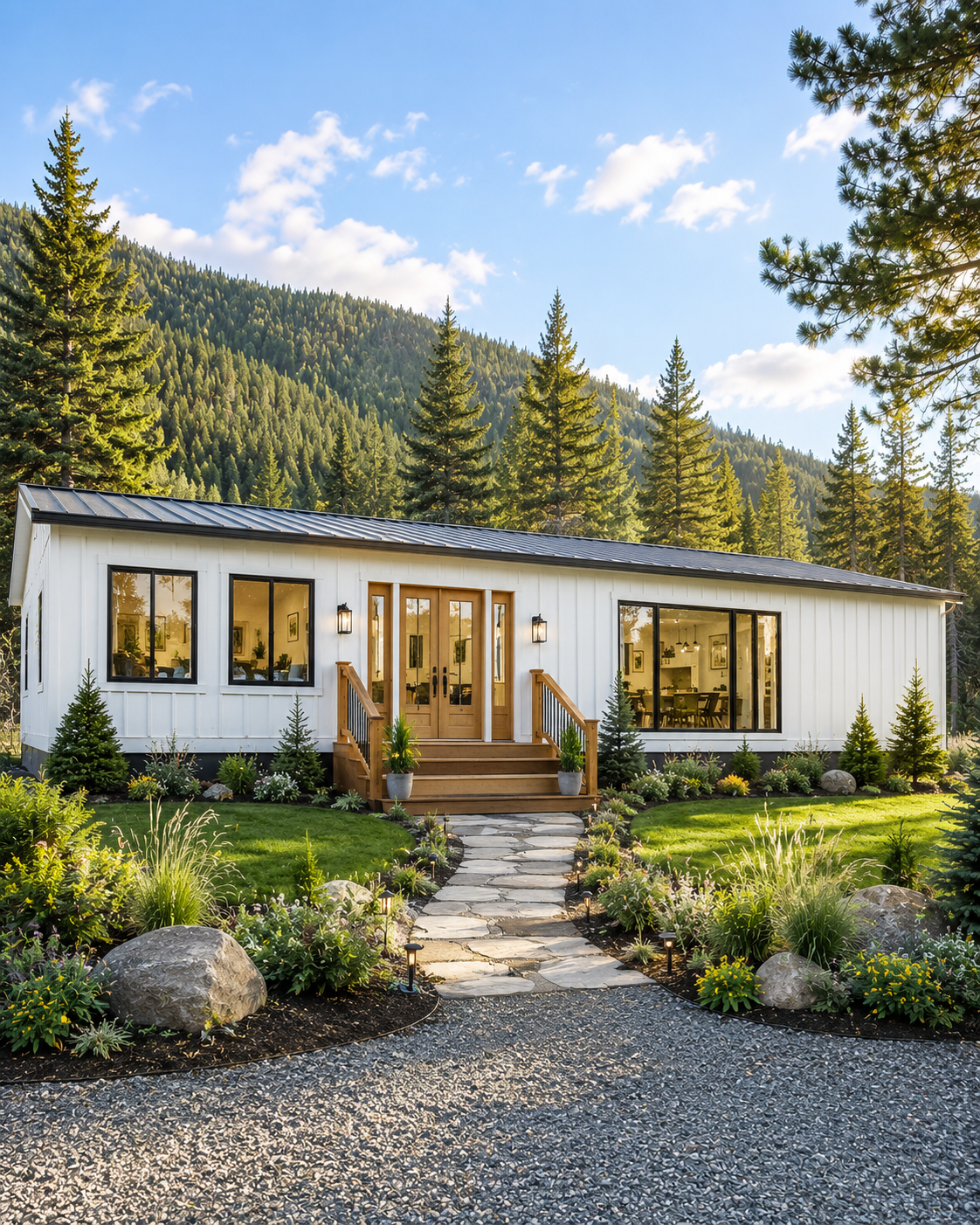
At Kyllo Homes, every home is custom built specifically for the homeowner.
Unlike dealerships that simply resell stocked inventory, we manufacture homes locally in British Columbia with collaboration between our drafting, cabinetry, production, and design teams.
That means homeowners can personalize:
- floorplans,
- cabinetry,
- roofing,
- siding,
- kitchen layouts,
- storage solutions,
- exterior finishes,
- ceiling details,
- appliances,
- and interior design selections.
No two Kyllo Homes are exactly alike.
Understanding CMHC Financing Changes
Recent CMHC-backed financing changes are designed to help Canadians access housing with greater flexibility and lower upfront equity requirements.
While approvals still depend on:
- income,
- credit history,
- debt servicing,
- lender requirements,
- and appraised project value,
…many buyers are now exploring modular construction as a more realistic path toward homeownership.
One of the most common questions we hear is:
“How does financing actually work if I need both land and a home?”
Let’s walk through a realistic example.
Real-Life Example: Purchasing Land and Building a Kyllo Home
Example Project
Property Purchase
$220,000
Custom Kyllo Modular Home
$420,000
Total Project Cost
$640,000
This overall project cost may include:
- land purchase,
- modular home construction,
- foundation,
- delivery,
- crane placement,
- utility hookups,
- site preparation,
- permits,
- and finishing work.
Depending on lender structure and borrower qualifications, buyers may not need the full project cost available upfront in cash.
Example Financing Scenario
Total Project Value
$640,000
Example Down Payment
10%
= Approximately $64,000
Approximate Mortgage Amount
$576,000
Using approximate Canadian mortgage rates:
- 25-year amortization,
- approximately 4.8%–5.2% interest,
Estimated monthly payments could fall roughly between:
$3,300–$3,600/month
(Actual approvals and rates vary by lender and borrower.)
For many buyers, this creates an opportunity to build a brand-new home designed specifically for their family instead of purchasing an aging resale property requiring ongoing upgrades and repairs.
Comparing an Older Modular Home vs Building New
At first glance, purchasing an older modular home already on a lot may appear like the more affordable option.
For example:
Scenario 1: Purchasing an Older Modular Home on Property
Purchase Price
$620,000
This may include:
- an older modular or manufactured home,
- an existing lot,
- landscaping,
- utilities,
- and outbuildings.
The appeal is understandable:
- immediate possession,
- established property,
- and potentially simpler financing.
But long-term value is important to evaluate carefully.
What Happens With Older Homes Over Time?
Land generally appreciates.
Homes depreciate and require reinvestment.
Especially when a modular or manufactured home is:
- 25–40 years old,
- built to older standards,
- less energy efficient,
- or nearing the end of major system lifespans.
Over the next 10–15 years, homeowners may face:
- roof replacement,
- furnace upgrades,
- window replacement,
- plumbing repairs,
- siding maintenance,
- appliance replacement,
- flooring upgrades,
- insulation deficiencies,
- or moisture-related repairs.
It is not uncommon for homeowners to invest:
$100,000–$250,000+
into repairs and renovations over time.
Even after significant upgrades, the homeowner may still own:
- an older layout,
- outdated infrastructure,
- lower energy efficiency,
- and a home that may not appraise as strongly as newer construction.
Scenario 2: Purchasing Land and Building a New Kyllo Home
Example Breakdown
Land Purchase
$220,000
New Custom Kyllo Home
$420,000
Total Project Cost
$640,000
At first glance, buyers sometimes hesitate because the total investment is similar to purchasing an older resale property.
But the long-term equity equation often looks very different.
Why Building New Can Create Stronger Long-Term Equity
When building a new modular home through Kyllo Homes, homeowners start with:
- brand-new infrastructure,
- modern insulation standards,
- current energy efficiency,
- new plumbing and electrical,
- warranty-backed construction,
- and layouts designed for modern living.
That often means:
- fewer unexpected repairs,
- lower maintenance costs,
- reduced utility expenses,
- stronger resale presentation,
- and greater buyer demand later on.
Appraised Value Matters
Lenders and appraisers evaluate:
- land value,
- structure age,
- condition,
- comparable sales,
- energy efficiency,
- and market desirability.
A newer modular home on owned land may appraise more competitively over time because:
- the structure is newer,
- systems are modern,
- and the property requires less immediate reinvestment.
In many BC and Canadian markets, newer homes also tend to:
- attract stronger resale demand,
- sell faster,
- and appeal to a broader range of future buyers.
Example of Long-Term Equity Growth
Let’s compare two hypothetical homeowners after 10 years.
Buyer A
Purchased Older Modular Property
Purchase Price:
$620,000
Over 10 Years:
- invested approximately $120,000 into repairs and upgrades,
- older infrastructure still remains,
- higher maintenance costs,
- aging layout and systems.
Potential Market Value After 10 Years:
Example:
$760,000–$820,000
(depending on renovations and land appreciation)
Buyer B
Purchased Land + Built New Kyllo Home
Total Project Cost:
$640,000
Over 10 Years:
- lower maintenance costs,
- modern finishes remain desirable,
- better energy efficiency,
- newer roofing and systems,
- stronger resale presentation.
Potential Market Value After 10 Years:
Example:
$850,000–$1M+
(depending on market conditions, location, and upgrades)
Why Smaller Homes Sometimes Have Higher Price Per Square Foot
Another common misconception buyers encounter is price per square foot.
Smaller modular homes and park models may sometimes appear more expensive per square foot than larger homes.
Why?
Because kitchens and bathrooms are typically the most expensive areas in any home.
Even a smaller home still requires:
- cabinetry,
- plumbing,
- electrical,
- appliances,
- waterproofing,
- ventilation,
- heating systems,
- and finishing work.
When those higher-cost spaces are condensed into a smaller footprint, the overall price per square foot naturally increases.
Why Many Buyers Choose Premium Upgrades
At Kyllo Homes, many homeowners choose upgrades such as:
- Hardie siding,
- metal roofing,
- solid surface countertops,
- luxury plank flooring,
- premium windows,
- and custom cabinetry.
While these upgrades can increase upfront pricing slightly, they often contribute to:
- better durability,
- reduced maintenance,
- fire resistance,
- energy efficiency,
- longevity,
- and stronger resale value.
For many homeowners, building new is not simply about today’s price — it is about protecting long-term investment value.
Why Kyllo Homes Is Different From a Dealership
At Kyllo Homes, we are not simply reselling pre-manufactured inventory.
We manufacture homes locally in British Columbia and employ local staff directly within our company.
That allows us to provide:
- greater design flexibility,
- more personalized service,
- custom layouts,
- collaborative design processes,
- and unique homes tailored to each client.
Every Kyllo Home is designed specifically around the homeowner’s lifestyle, property, and long-term goals.
Looking Beyond the Initial Purchase Price
When comparing:
- an older modular home already on land,
vs. - purchasing land and building new,
…it is important to evaluate more than the immediate purchase price alone.
The true financial comparison includes:
- maintenance costs,
- future repairs,
- energy efficiency,
- resale demand,
- financing flexibility,
- and long-term equity growth.
For many Canadians, building new offers:
- more predictability,
- better long-term value,
- stronger appreciation potential,
- and the opportunity to create a home designed specifically for their future.
At Kyllo Homes, we are proud to help families build homes designed not only for today — but for decades to come.
Learn more CMHC Financing
Browse our floorplans