How to Finance a Park Model Home in BC (Complete 2026 Guide)
If you’re exploring park model homes in British Columbia, one of the biggest questions is: how do you actually finance one?
Unlike traditional homes, park models fall into a unique category—which means mortgages don’t always apply, and understanding your options upfront can save you time, money, and frustration.
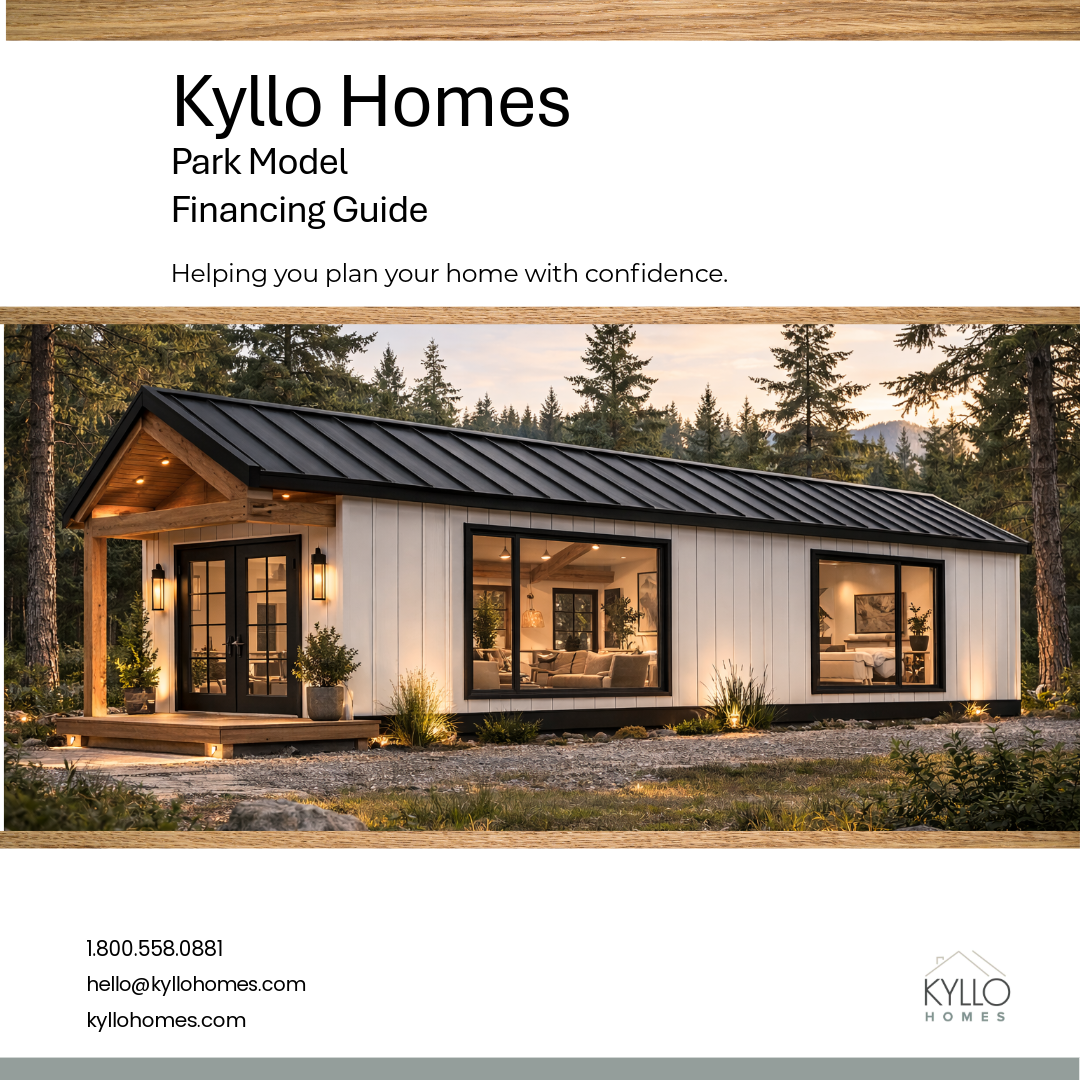
This guide breaks down everything you need to know about park model home financing in BC, including definitions, size limits, loan options, and permits.
What is a Park Model Home in BC?
A park model home is a recreational unit built to CSA Z241 standards, not the BC Building Code used for full-time residential homes.
This distinction matters because it directly impacts:
- Financing eligibility
- Insurance requirements
- Zoning and placement rules
Park models are typically used in:
- RV parks and seasonal resorts
- Recreational or vacation properties
- Private land (where zoning permits)
Because they are considered recreational dwellings, lenders view them differently than traditional homes.
What Size Can a Park Model Home Be?
In Canada, park model homes are generally limited to:
👉 538 square feet (excluding lofts)
However, there’s an important detail many buyers don’t realize:
👉 You can increase functional living space with bump-outs
Bump-outs allow you to expand areas of the home (like kitchens or living rooms) beyond the main footprint. In many cases:
- Built-in features like cabinetry can sit inside the bump-out
- This space may not count toward the 538 sq ft limit, depending on design and compliance
This means you can achieve:
- More usable space
- Better layout and storage
- A larger “feel” without exceeding CSA Z241 limits
It’s a smart design strategy that can make a big difference in livability—while still staying within park model regulations.
How to Finance a Park Model Home in British Columbia
Financing a park model home is not one-size-fits-all. The right option depends on where the home is located, how it’s used, and your financial profile.
Here are the most common financing options in BC:
1. RV Loans for Park Model Homes
Many lenders classify park models similarly to RVs.
Best for:
- Homes in RV parks or seasonal developments
- Units not permanently affixed to land
Pros:
- Faster approvals
- Lower down payments (in some cases)
- Flexible terms
Cons:
- Shorter amortization periods
- Slightly higher interest rates than mortgages
2. Personal Loans or Unsecured Financing
Some buyers use personal loans for smaller or lower-cost park model homes.
Best for:
- Lower purchase prices
- Buyers without land ownership
Pros:
- Quick access to funds
- No property collateral required
Cons:
- Higher interest rates
- Lower borrowing limits
3. Home Equity Line of Credit (HELOC)
If you already own a home, this is often the most cost-effective way to finance a park model.
Best for:
- Homeowners with available equity
- Buyers looking for lower interest rates
Pros:
- Lower rates than unsecured loans
- Flexible repayment
Cons:
- Requires existing property ownership
- Puts your primary home at risk if mismanaged
4. Specialized Park Model & Tiny Home Lenders
Some lenders in Canada focus specifically on tiny homes and park model financing.
Best for:
- Unique setups (leased land, co-ownership, etc.)
- Buyers who don’t fit traditional lending criteria
Pros:
- More flexible approval criteria
- Experience with park model classifications
Cons:
- Limited availability
- May require larger down payments
Why Traditional Mortgages Often Don’t Apply
Many buyers ask: “Why can’t I just get a mortgage?”
Here’s why:
- Park models are not built to residential building code
- They are often located on leased land
- They may not qualify as permanent dwellings
However, in some cases—if the home is permanently installed on owned land and meets local requirements—alternative mortgage-style financing may be possible.
What Permits Do You Need in BC?
Before financing or purchasing, it’s critical to understand local permit requirements.
Depending on your municipality or regional district, you may need:
- Zoning and placement permits
- Water and septic approvals
- Foundation or anchoring approvals
- Strata or park approvals (if applicable)
👉 Every municipality in BC is different—what’s allowed in one area may not be permitted in another.
Key Factors That Affect Financing Approval
Lenders will typically look at:
- Location of the park model (leased land vs owned land)
- Intended use (seasonal vs full-time living)
- Credit score and income stability
- Down payment amount
- Type of home certification (CSA Z241)
Being prepared with this information can significantly improve your chances of approval.
Common Mistakes to Avoid
- Assuming you can get a traditional mortgage
- Not checking zoning before purchasing
- Underestimating total setup and permit costs
- Choosing the wrong financing structure
A little planning upfront can prevent costly surprises later.
Final Thoughts: Is a Park Model Home Right for You?
Park model homes are one of the most affordable and flexible ways to own property in BC, especially for recreational use.
With smart design features like bump-outs to expand usable space, and the right financing strategy, they can be a highly practical and appealing option.
Ready to Build your Park Model Home?
If you’re thinking about buying or financing a park model home, don’t wait until you hit a roadblock—get clarity upfront.