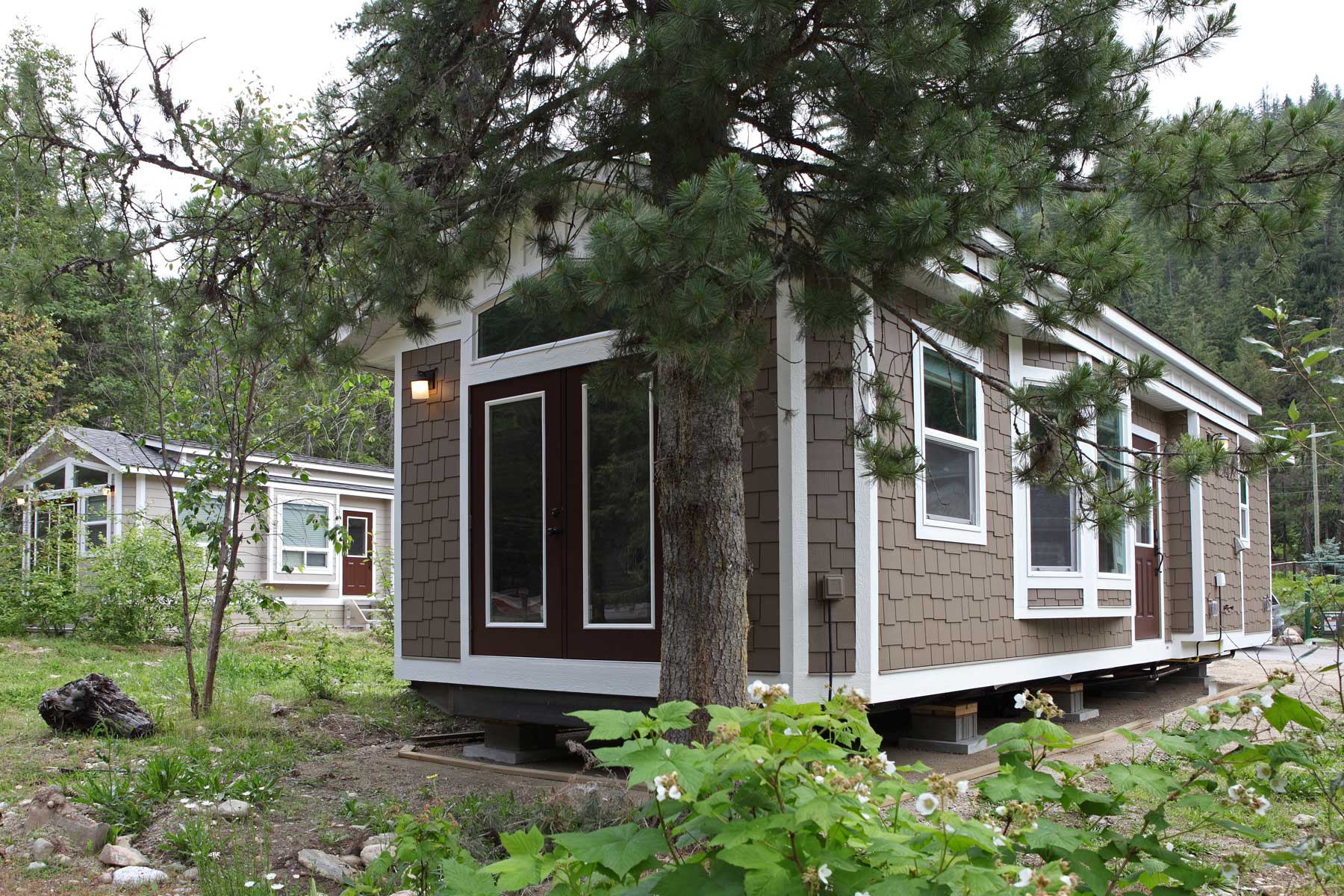
Learn the difference between CSA A277 vs CSA Z240, how these standards apply to modular homes in BC, and what homeowners need to know before building. Are you exploring modular homes in British Columbia and feeling uncertain about building codes, certifications, and what they actually mean for your project? You are not alone. Many homeowners researching modular construction come across terms like CSA A277 and CSA Z240 and are left wondering whether they are different building codes, or which one really matters.
This article is designed to provide clear, accurate guidance so you can make informed decisions as you move forward with your modular home.
Clearing Up a Common Misconception
One of the most common misunderstandings is the belief that CSA A277 and CSA Z240 are separate building codes. In reality, they are not building codes at all.
In British Columbia, all homes, whether site-built or modular, must comply with the BC Building Code. CSA A277 and CSA Z240 are standards referenced by the building code to help regulate factory-built construction.
Simply put, the BC Building Code establishes the legal requirements, while CSA standards provide a framework for how modular homes can meet those requirements.
What CSA Z240 Means for Your Modular Home
CSA Z240 relates to how a modular home is designed and built.
This standard outlines technical construction requirements that ensure a factory-built home performs at the same level as a conventional site-built residence once it is installed. It addresses structural integrity, fire and life safety, insulation, durability, and overall building performance.
For homeowners, a modular home built to CSA Z240 is intended to be a permanent residential dwelling, designed to meet recognized building code standards across Canada and adapted for provincial requirements in BC.
What CSA A277 Means for Your Modular Home
CSA A277 serves a different purpose. Rather than defining how a home is built, it focuses on how the manufacturing process is inspected and verified.
CSA A277 establishes a quality assurance and inspection program for factories that produce modular homes. It confirms that third-party inspections occur during construction and that proper documentation is maintained throughout the process.
Many municipalities in British Columbia rely on CSA A277 certification when reviewing modular home applications, as it provides assurance that the factory-built portions of the home were constructed and inspected in accordance with approved standards.
How CSA A277 and CSA Z240 Work Together
While CSA A277 and CSA Z240 serve different roles, they are often used together on modular home projects.
CSA Z240 confirms that the home is designed and built correctly.
CSA A277 confirms that the construction process was properly inspected and certified.
Together, these standards help streamline permitting, reduce the need for additional inspections, and support smoother approval processes with local authorities.
Foundations, Financing, and CMHC: Understanding the Difference
Another common point of confusion is the assumption that CSA A277 determines whether a modular home must be placed on a full foundation or qualifies for CMHC financing.
In reality, foundation requirements and financing eligibility are determined by lenders, zoning bylaws, and how the home is legally classified, not by CSA standards.
For CMHC and most conventional lenders, a modular home must typically:
- Be permanently installed on a full foundation
- Be considered real property rather than a movable structure
- Comply with local zoning and building code requirements
Because many CMHC-eligible modular homes also carry CSA A277 certification, it is easy to associate the two. However, CSA A277 supports permitting and lender confidence, it does not dictate foundation or financing requirements.
Why This Matters for BC Homeowners
Understanding the difference between CSA A277 and CSA Z240 can help you avoid delays, unexpected costs, and confusion during the planning and approval stages.
A modular home that is:
- Designed to CSA Z240
- Manufactured under CSA A277 certification
- Installed on a permanent foundation
is more likely to move efficiently through permitting, qualify for conventional financing, and maintain long-term value.
The Kyllo Homes Approach
At Kyllo Homes, we believe clarity and compliance are essential to a successful modular home project. Our homes are designed to meet CSA Z240 requirements, manufactured in facilities that follow CSA A277 quality programs, and coordinated with local building officials across British Columbia.
This approach allows homeowners to move forward with confidence, knowing their modular home is built to recognized standards and aligned with local approval processes.
Final Thoughts
If you are diving into the world of modular homes and feeling overwhelmed by unfamiliar terminology, understanding CSA A277 and CSA Z240 is an important step.
CSA Z240 focuses on how your home is built.
CSA A277 confirms how that build is inspected and certified.
Your foundation and zoning determine whether the home is considered permanent and financeable.
With the right information, and the right builder, the modular home process becomes far more straightforward.
Learn More
For readers who would like additional technical detail or official references, the following resources provide authoritative information:
- BC Energy Step Code
Official overview of British Columbia’s energy performance framework, including Step Code 1 through Step Code 5. - CSA Group Standards
Official resource for Canadian Standards Association standards, including CSA A277 and CSA Z240.